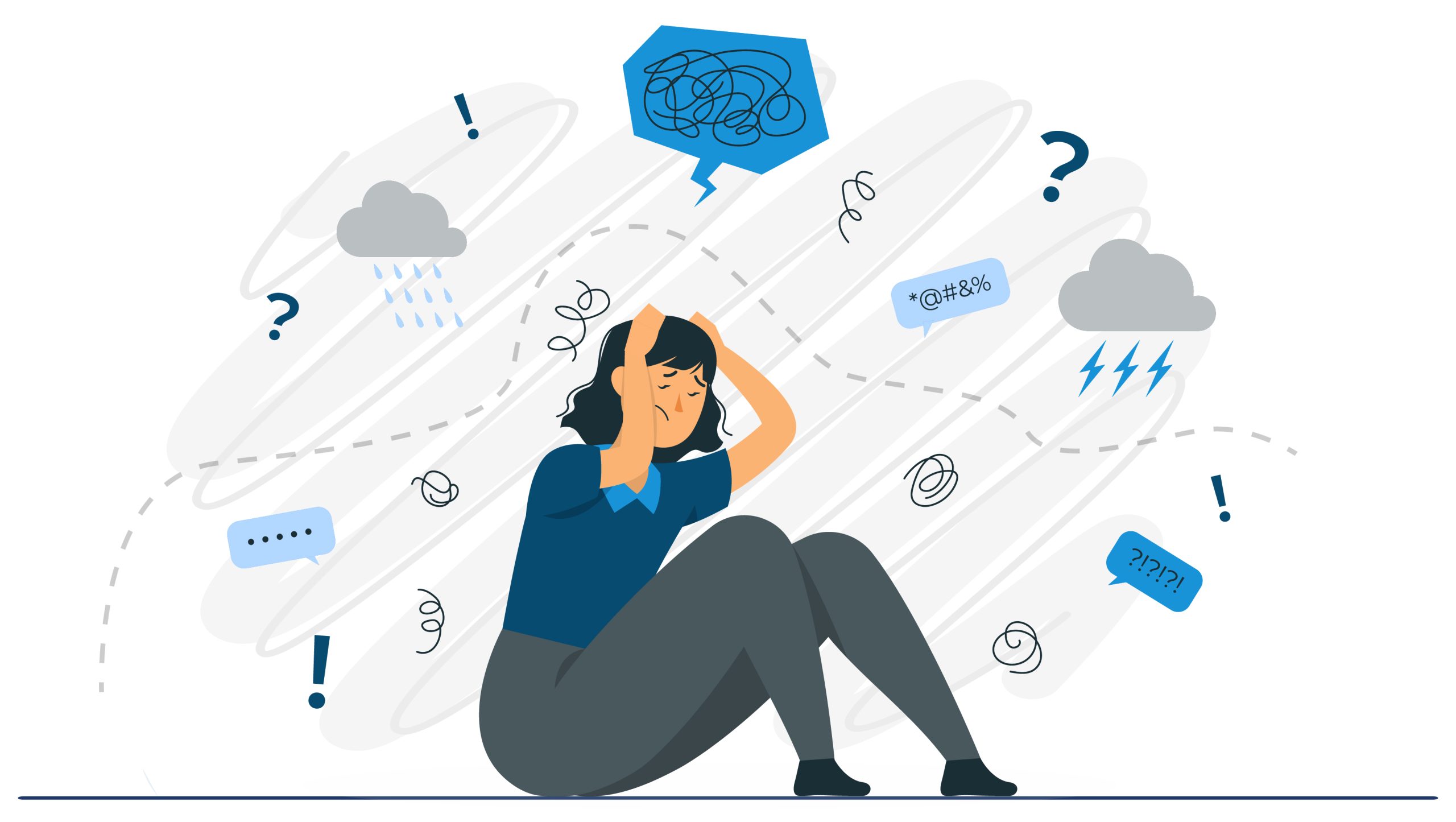
Navigating Anxiety and Uncertainty in the Next Generation
In a world that moves faster than ever before, today’s youth are growing up surrounded by constant change, competition, and information overload. While technology and opportunity have expanded, so too have the pressures that shape our young people’s mental health.
From academic stress and social comparison to uncertainty about the future, anxiety has quietly become one of the defining challenges of the next generation.
But there’s hope — and understanding the roots of this anxiety is the first step toward helping our children and teens navigate it with confidence and resilience.
1. The Landscape of Modern Anxiety
Unlike generations before them, today’s young people are constantly “plugged in.” Social media often paints an unrealistic picture of success and happiness, creating impossible standards to live up to.
In schools, academic pressure has intensified — students are told to plan for college, careers, and “success” long before they’ve had the chance to explore who they are. Add in world events, climate change, and global uncertainty, and it’s easy to see why many teens feel overwhelmed before they even begin their adult journey.
2. Signs of Anxiety and Emotional Overload
Anxiety doesn’t always look like panic attacks or visible distress. For many teens, it appears as:
Irritability or withdrawal
Difficulty concentrating
Perfectionism or overachievement
Avoidance of new experiences
Physical symptoms like fatigue or headaches
Recognizing these signs early allows parents and educators to respond with empathy rather than frustration.
3. How Adults Can Help: Shifting from Pressure to Support
Parents and professionals play a crucial role in helping the next generation cope with uncertainty. Here’s how you can make a difference:
✅ Listen without judgment. Let teens express fears or doubts without rushing to fix them. Sometimes, they need to feel heard before they can feel hopeful.
✅ Normalize struggle. Growth involves discomfort. When young people learn that uncertainty is a natural part of life, anxiety loses its power.
✅ Focus on effort, not outcome. Celebrate progress, learning, and curiosity instead of grades or titles.
✅ Model resilience. Teens learn by observing how adults manage stress and setbacks.
✅ Encourage self-care and reflection. Mindfulness, journaling, and unplugged time can restore calm and balance.
4. Building Emotional Resilience
The antidote to anxiety isn’t perfection — it’s resilience. When young people learn how to manage emotions, adapt to change, and recover from failure, they build the foundation for lifelong confidence.
Programs like Prepare to Launch help teens and young adults develop these essential skills. Through guided reflection and coaching, they learn how to identify strengths, handle uncertainty, and create a Plan Towards Independence (PTI) — a practical roadmap for navigating the real world with self-assurance.
5. Creating a Future of Emotional Strength
As parents, educators, and mentors, our role is not to eliminate uncertainty from our children’s lives — but to equip them to face it. When we shift from control to connection, we help the next generation see challenges not as threats, but as opportunities to grow.
In doing so, we nurture something far more valuable than achievement — we nurture emotional intelligence, courage, and hope.
Conclusion
Anxiety and uncertainty will always be part of life. But with empathy, understanding, and the right tools, today’s young people can transform fear into focus — and uncertainty into opportunity.
By investing in emotional resilience now, we’re not just preparing teens for success; we’re preparing them for life. 🌱